The 6-Minute Rule for Lab Grown Diamonds
Table of ContentsLab Grown Diamonds Fundamentals ExplainedThe Buzz on Lab Grown DiamondsGet This Report about Lab Grown DiamondsGetting My Lab Grown Diamonds To Work
As you take a trip closer to the Planet's core, stress and temperature level boost, which develops the ideal oven for carbon to be exchanged ruby (rubies are the only gemstone to be made from purely one aspect). Via a large volcanic eruption, these diamonds were carried to the Planet's surface. It's approximated this process was fairly fast (most likely throughout a number of hours), which allowed the rubies to remain undamaged without melting.The short answer: carats measure the mass of rocks, karats measure the purity of gold. Carat weight: 1 carat is equal to 0.2 grams, concerning the weight of a paperclip (next time you see an image of Mariah Carey's 35 carat interaction ring, simply visualize the concern of lugging 35 paper clips around your finger on a daily basis).
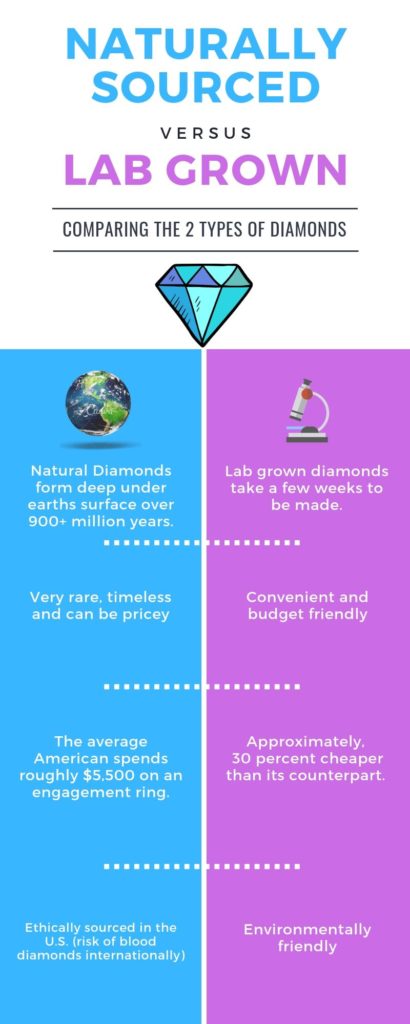
Here are a few of the crucial benefits of lab grown diamonds and laboratory grown up diamond jewelry:.
Lab Grown Diamonds Fundamentals Explained
In other words, all-natural or earth-mined diamonds are crafted over numerous years under the Earth's crust from pure carbon integrated with pressure and warm. Producing diamonds in a laboratory calls for the exact same procedure, just fine-tuned to occur over a much smaller sized period in a much more controlled setting.
Whereas earth-mined rubies are unusual and limited and tend to raise in rate over time, lab diamonds are easily available. As demand rises, laboratories can continue to create lab diamonds indicating they are not restricted or scarce compared to all-natural rubies. If you want great jewelry from an investment perspective, like lab-grown diamond rings, they won't be an excellent fit for your needs.
They could believe that the disadvantages of lab-grown diamonds outweigh the pros. Conflicts, wars, and human legal rights issues are all come together with the diamond industry. That said, the ruby sector does offer revenue to third-world countries. Some could suggest that, consequently, acquiring a lab-made diamond also features its moral considerations, as doing so takes earnings away from those associated with the natural diamond sector that might need it most.
Typical diamonds depend on the Planet's problems to establish their quality or lack thereof. In a laboratory, producers can straight regulate a ruby's top quality.
The Basic Principles Of Lab Grown Diamonds
You can quickly locate colored, man-made diamonds on the (relatively) low-cost view website side as well as certain cuts that would certainly be more expensive if you were going shopping for a mined diamond only. That hardly indicates it isn't worth securing.
natural diamonds is that the latter is extracted from natural down payments in the Planet while the previous is made in a lab using regulated settings. But their high quality is largely discover this the very same. Lab Grown Diamonds. While the distinction between lab-grown and all-natural ruby alternatives are very little when it comes to quality, several of the disadvantages of lab-grown diamonds consist of the truth that the stone will certainly drop in time and, to some, a lack of sentimental check over here value that's frequently related to mined rubies
This price difference can be associated to the structured manufacturing procedure and the avoidance of expenses connected with standard mining. The Controlled Setting in Which Laboratory Grown Diamonds Are Produced Permits for Regular Quality.
Adaptability in Style - Laboratory Grown Diamonds Offer Designers and Customers a Versatile Scheme to Develop Unique and Innovative Jewelry Designs - Lab Grown Diamonds. Lab Rubies Typically Come with A More Transparent Supply Chain.
The Best Strategy To Use For Lab Grown Diamonds
Market Perception - In Spite Of Their Similar Physical Properties, Lab Diamonds Might Face Tests in Market Assumption. Some Consumers Still Perceive Natural Diamonds as Having Greater Value and Status. The Manufacturing of Lab-Grown Diamonds Can Be Energy-Intensive, Specifically in Methods Like High Stress Heat (hpht) and Chemical Vapor Deposition (cvd).
Natural Rubies Are Developed Over Millions of Years Deep Within the Planet, Contributing to Their Viewed Rarity. Lab-Grown Rubies, Despite Their Similar Properties, May Not Lug the Very Same Rarity Aspect, Influencing Their Perceived Value for Some Customers. Influence On Diamond-Dependent Economic Situations - the Change In The Direction Of Laboratory Grown Diamonds May Have Economic Implications for Countries and Communities that Depend Upon The Ruby Mining Industry.
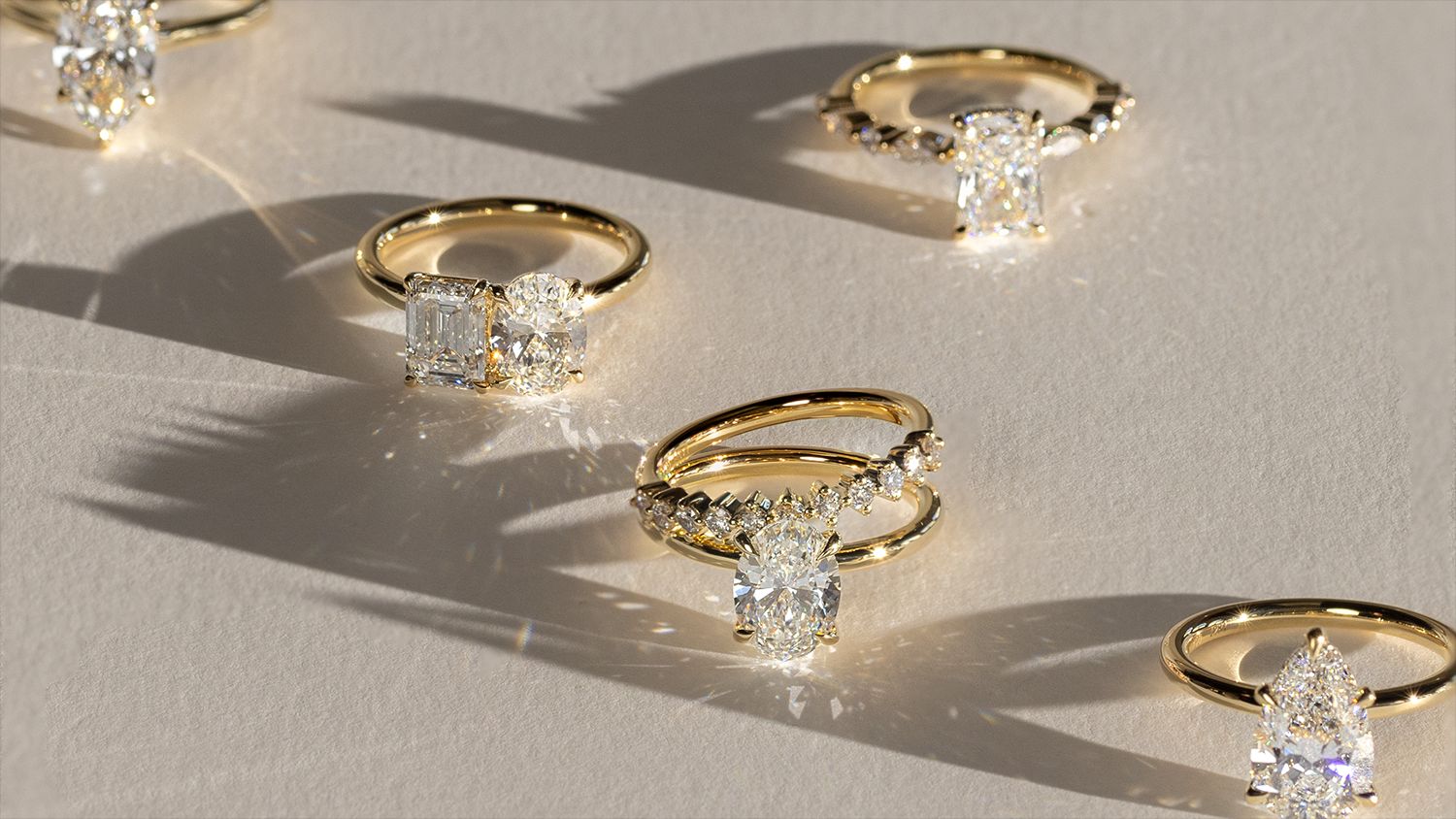
Lab Rubies Are of Equal Quality to Natural Diamonds in Terms of Firmness, Brilliance, and Quality - Lab Grown Diamonds. Yes, Lab Diamonds Sparkle Simply Like Natural Diamonds. Their Luster and Shimmer Are an Outcome of Their Cut and The Means Light Communicates with Their Elements.